

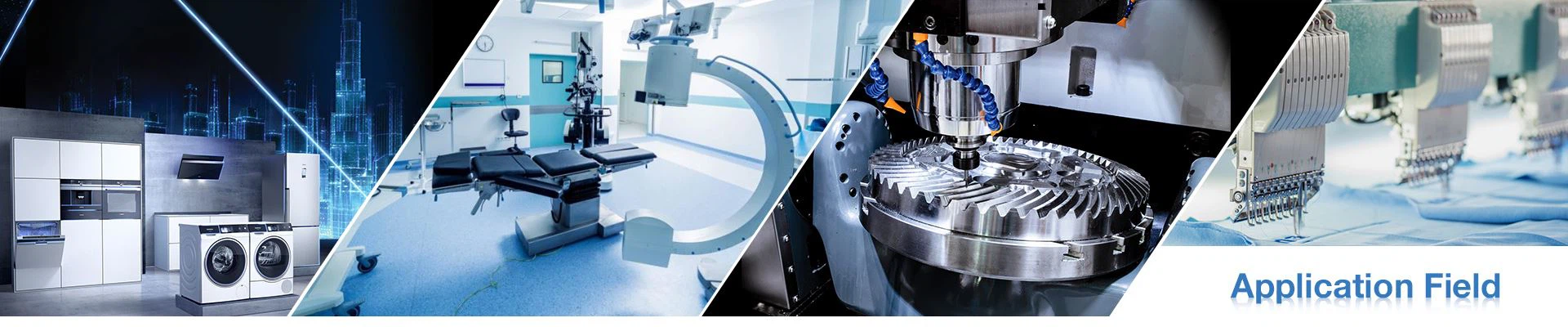
What Are The Advantages Of A Geared Motor
Nov 28, 2023
A geared motor is a versatile and efficient device that finds applications in various industries. It combines the benefits of a motor and a gearbox, offering enhanced power transmission and torque control. In this article, we will introduce mainly explore the advantages of geared motors.
I A Brief Introduction of Geared Motor Structure
Before we explore the advantages of the geared motor, we need to have a brief understanding of the geared motor. The geared motor consists of two main components: the motor and the gearbox. The structure of a geared motor plays a crucial role in its functionality and efficiency. The motor component of a geared motor is typically an electric motor, which converts electrical energy into mechanical energy. It provides the necessary power to drive the system. The gearbox, on the other hand, is responsible for controlling the speed and torque output of the motor. It consists of multiple gears with different sizes and ratios, allowing for speed reduction or increase depending on the application requirements.
II The Advantages of Geared Motor
1. Enhanced Torque
One of the key advantages of a geared motor is its ability to provide increased torque output. By utilizing a gearbox, the motor can multiply the torque generated by the motor's rotor. This allows geared motors to handle heavy loads and operate in demanding conditions. Industries such as manufacturing, robotics, and automotive rely on geared motors to drive machinery and equipment efficiently.
2. High Power Transmission Efficiency
Geared motors offer high efficiency in power transmission. The gear system helps to reduce energy loss during power transfer, ensuring maximum utilization of the motor's input power. This efficiency translates into cost savings and reduced environmental impact. Geared motors are widely used in applications where energy efficiency is crucial, such as renewable energy systems and electric vehicles.
3. Cost Savings
The structure of a geared motor also contributes to its durability and reliability. The gears are typically made of high-quality materials such as steel or bronze, ensuring smooth and efficient power transmission. Additionally, the gearbox is designed with precision to minimize friction and wear, resulting in longer service life and reduced maintenance costs.
4. Flexibility in Speed Control
Another advantage of geared motors is their flexibility in speed control. By using different gear ratios, the motor's speed can be adjusted to match the specific requirements of an application. This makes geared motors suitable for tasks that demand precise speed regulation, such as conveyor systems, cranes, and material handling equipment. The ability to fine-tune the speed ensures optimal performance and energy efficiency.
5. Space Optimization with Compact Designs
Geared motors also excel in providing compact and space-saving solutions. The integration of the motor and gearbox into a single unit eliminates the need for additional components, saving valuable space in machinery and equipment design. This compact design is particularly beneficial in industries where space is limited.
III Conclusion
In the realm of mechanical engineering, the advantages of geared motors extend far beyond mere power transmission. Their ability to boost torque, offer flexible speed control, and compact design as key players in optimizing efficiency across industries. As technology continues to advance, the collaboration between motors and gearboxes remains a cornerstone of innovation, driving progress and propelling machinery into new realms of performance and reliability.
You Might Also Like
-

NEMA 17 Unipolar 0.9deg 0.29Nm (40.3oz.in) 0.4A 12V 42x42...
-

NEMA 14 Bipolar 1.8deg 0.18Nm (25oz.in) 0.7A 4.6V 35x35x3...
-
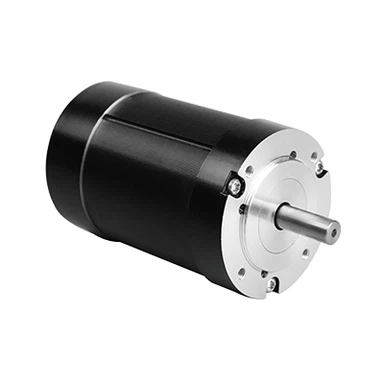
24V 1600RPM 0.418Nm 70W 4.2A Ф57x90mm Brushless DC Motor
-

24V 5000RPM 0.011Nm 6W 0.5A Ф30x41mm Brushless DC Motor
-
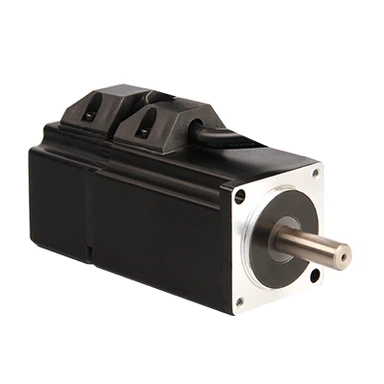
40×40mm 50w 3000rpm 0.16Nm 24VDC Servo Motor
-
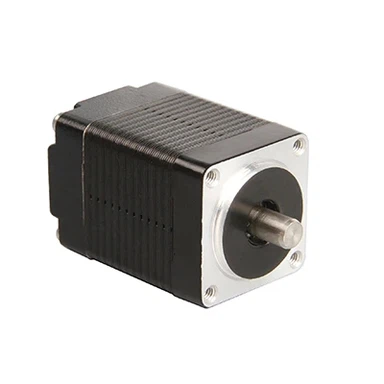
NEMA 8 Bipolar 1.8deg 0.013Nm(1.8oz.in) 0.2A 4.8V 20x20x2...